Third-Party Motor Insurance: Protection Against Liability to Others
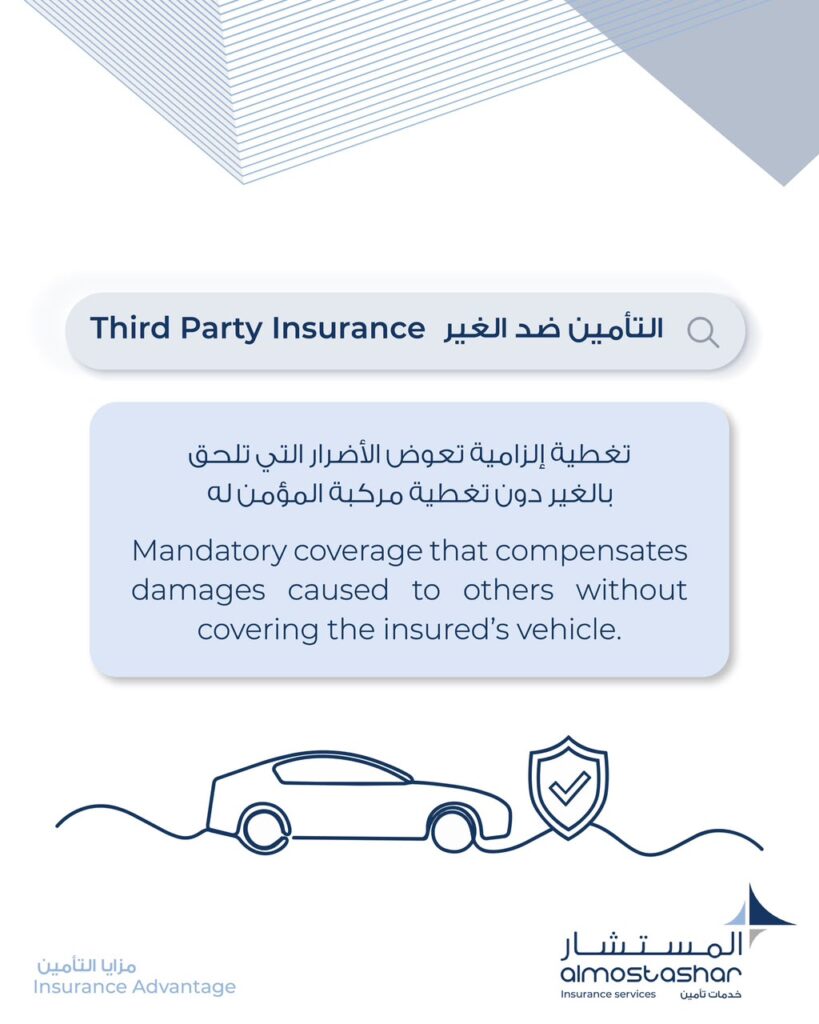
Third-party motor insurance covers civil liability for insured damage or injury caused to third parties through the use of an insured vehicle, subject to the policy’s terms, conditions and limits. It is the basis of compulsory motor insurance coverage.
Who Is Considered a Third Party?
A third party is a person or entity that suffers covered damage or injury as a result of an accident, excluding individuals who fall outside the policy’s definition, such as the policyholder, the driver or the person responsible for the accident. A third party may include the owner of another vehicle, a pedestrian or the owner of damaged property.
What Does Third-Party Insurance Cover?
Third-party liability is not limited to repairs to another vehicle. Depending on the circumstances of the accident, established liability and the scope of the policy, coverage may extend to bodily injury and property damage.
For example, if an insured vehicle damages the entrance gate of a commercial property, the resulting claim may fall within third-party property damage coverage. The key consideration is liability for the damage caused, rather than the type of property affected.
How Does It Differ from Comprehensive Motor Insurance?
Third-party motor insurance does not provide coverage for damage to the insured vehicle itself under its standard protection. Comprehensive motor insurance, on the other hand, combines third-party liability coverage with protection for damage to the insured vehicle, subject to the insured risks, conditions and exclusions specified in the policy.
What Should You Review Before Purchasing a Policy?
Check that the vehicle details and declared use are accurate. Review the insurance period, coverage limits, exclusions, accident reporting procedures and claims requirements.
For vehicles used in business operations, make sure the insurer is informed of their actual intended use when requesting a quotation.
Understanding your insurance coverage helps you identify what your policy protects, what may require additional coverage and where potential gaps exist before an accident occurs.